
Attestation for Recognition
Document Attestation and Its Importance for Global Recognition
People often need to use their documents in other countries for purposes like education, work, or legal matters. However, documents from one country aren’t automatically accepted abroad. Document attestation is the process of verifying their authenticity to ensure they’re recognized in foreign countries. Without attestation, documents may be rejected or cause delays in important processes like visa applications or job offers.
What is Document Attestation?
Document attestation refers to the official process of validating documents by recognized government bodies or authorities. This is done to ensure that the document is authentic and legally valid. It is especially important for documents that need to be used in foreign countries.
The process may vary depending on the type of document and the country where it will be used. Some common documents requiring attestation include educational certificates, birth and marriage certificates, and legal documents like power of attorney and affidavits.
Why is Document Attestation Important?
International Recognition: Countries require attested documents to ensure that the information provided is accurate and trustworthy. This is particularly important for visa applications, employment opportunities, or establishing legal agreements abroad.
Prevention of Fraud: Attestation reduces the chances of fraudulent documents being used for illegal activities, making the process of cross-border transactions safer and more secure.
Simplifying Legal Processes: When documents are attested, they are more likely to be accepted by foreign governments, universities, businesses, and legal systems.
Types
Not all documents need attestation, but there are several key categories that frequently do. Here are the most common ones:

Educational Documents
Transcripts, degrees, diplomas, and certificates from educational institutions often require attestation when applying for jobs, higher education, or immigration to foreign countries.

Personal Documents
Birth certificates, marriage certificates, divorce decrees, and death certificates often need to be attested for legal and immigration purposes.

Business Documents
These include company registration certificates, articles of incorporation, and financial statements that are needed for business dealings, partnerships, or investments abroad.
Steps to Get Your Document Attested
Gather Your Documents
Ensure you have all necessary documents that need to be attested. Make sure to have the original copies available and any supporting materials required (e.g., ID proofs, application forms).
Notarization
Get your document notarized by a licensed notary in your home country to authenticate its content. Notarization ensures that the document is legally valid before moving forward in the attestation process.
Ministry or Government Office Authentication
Submit the notarized document to the appropriate government body (e.g., Ministry of External Affairs) for further authentication. This step verifies the authenticity of the document within your home country.
Embassy or Consulate Attestation
Finally, submit the attested document to the embassy or consulate of the destination country for final approval. Some countries may also require additional verification from the embassy to ensure the document’s legitimacy for international use.

Required Attestation Nations
Common Countries That Require Document Attestation
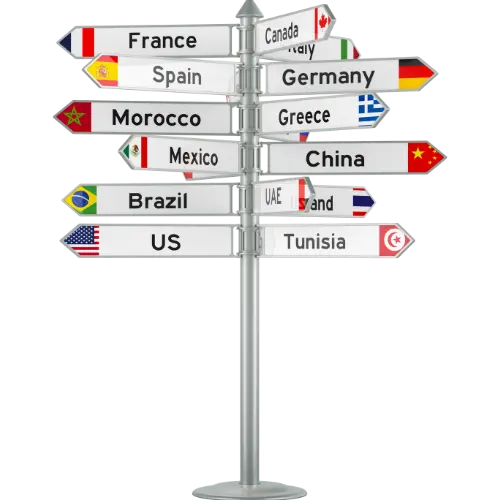
Different countries have different attestation requirements depending on their legal systems. Some countries that commonly require document attestation include:
Attestation Hurdles
Challenges in Document Attestation
While document attestation is a easy process, there are several challenges that individuals may face:
1. Time-Consuming Process
he attestation process can take several days or even weeks, often due to delays in government or embassy processing, which can extend the waiting time for document validation.
3. Complex Procedures
The procedure for document attestation can be confusing because the requirements may differ from country to country, making it hard to follow without proper guidance.
Frequently Asked Questions